

Softomate Solutions logoSoftomate Solutions logo
I'm looking for:
Recently viewed
Automation test engineering London with Selenium, Cypress and Jenkins CI/CD pipeline

Automation Test Engineering London

Automation test engineering London services combine Selenium, Cypress, Playwright and REST Assured frameworks with Jenkins and GitHub Actions CI/CD pipelines to run regression, API and BDD test suites automatically. London software teams reducing manual QA overhead, shortening release cycles and meeting ISTQB-aligned quality standards gain the most value. ISTQB-guided framework design and UK GDPR compliance checks reduce defect escape rates while improving deployment confidence.

Automation Test Engineering London with Selenium and CI/CD

Automation test engineering London projects combine Selenium, Cypress, Playwright and REST Assured frameworks with Jenkins, GitHub Actions and CircleCI pipelines to execute regression, smoke and API tests on every code build. Software engineering leads, QA managers and release managers at London mid-market firms gain most when manual regression is slowing sprint velocity or increasing defect escape rates. Softomate connects test frameworks to your existing development toolchain through REST API hooks, Docker container execution and JIRA defect reporting. Teams needing broader quality coverage can pair automation engineering with our performance test engineering services, complete testing services, testing strategy consultancy, and software development services.

01. Key Benefits

Key Benefits:

Selenium regression test automation speed icon for London software teams

Faster Regression Cycles

Selenium and Cypress suites running in Jenkins pipelines reduce regression cycle time from two days to under two hours, letting teams release more frequently.

Defect detection rate improvement with automated QA frameworks

Earlier Defect Detection

Automated test execution on every pull request catches regressions before they reach staging, reducing the average cost of a defect by up to seventy per cent.

CI/CD test integration for Jenkins and GitHub Actions pipelines

Continuous CI/CD Quality Gates

Jenkins, GitHub Actions and CircleCI integrations enforce quality gates on every build, blocking deployments that break critical user journeys or API contracts.

BDD Gherkin test scenario coverage for UK software delivery teams

Clearer Test Coverage

BDD Gherkin scenarios written with product owners create shared acceptance criteria, reducing ambiguity between requirements and tested behaviour across the team.

Lower manual QA cost through test automation for London teams

Lower Manual QA Cost

Replacing repetitive manual regression with scripted Selenium or Playwright suites cuts QA staffing hours per sprint without reducing coverage breadth or confidence.

ISTQB-aligned test reporting and JIRA integration icon

ISTQB-Aligned Reporting

ISTQB-compliant test reports, JIRA defect linking and SonarQube quality metrics give engineering leads measurable evidence of release readiness after every build.

02. Offerings

Automation Test Engineering London: Framework and Pipeline Services

Selenium and Cypress Regression Frameworks

QA teams get production-grade Selenium WebDriver or Cypress regression suites covering critical user journeys, form submissions and multi-step workflows. Docker container execution, parallel test runs and JIRA defect reporting ensure every build exits with a measurable quality status before promotion to staging.

REST API and Contract Testing with REST Assured

Engineering teams get REST Assured and Postman-based API test suites that validate endpoint contracts, authentication flows and response schemas on every build. Contract tests catch breaking changes before they surface in the UI layer, protecting integrations with third-party services and internal microservices.

BDD Frameworks with Cucumber and Gherkin

Product owners and QA leads get Cucumber BDD frameworks in Java or Python that connect Gherkin feature files to Selenium or Playwright automation. Given-When-Then scenarios map directly to acceptance criteria, aligning business requirements and automated test coverage without specialist tooling knowledge.

CI/CD Pipeline Integration with Jenkins and GitHub Actions

DevOps and release teams get test suites wired into Jenkins, GitHub Actions or CircleCI pipelines with parallel execution, Docker container management and pass/fail quality gates. Failed builds block deployment automatically, and results publish into JIRA with linked test evidence for each defect raised.

Playwright Multi-Browser and Mobile Viewport Testing

Frontend teams get Playwright test suites that exercise Chrome, Firefox, Safari and mobile viewports in headless mode, catching cross-browser regressions before production deployment. Network mocking, visual snapshots and trace recording reduce investigation time when failures occur in complex single-page applications.

03. Features

Technical Features

Docker Container
Test Execution

Isolated Docker containers run Selenium, Cypress and Playwright suites in parallel, reducing total pipeline time without environment conflicts.

SonarQube Code
Quality Gates

SonarQube static analysis runs alongside automated tests, flagging code smells, security hotspots and coverage gaps on every build branch.

REST Assured API
Contract Testing

Endpoint schema validation, authentication flow checks and contract assertions protect API integrations from breaking changes between service deployments.

JIRA Defect
Reporting

Failed test runs create JIRA tickets with stack traces, screenshots and test step evidence, reducing investigation time for developers fixing regressions.

Gherkin BDD
Scenario Library

Cucumber feature files in Gherkin syntax create a readable test scenario library that product owners, QA leads and developers can review together.

ISTQB-Aligned
Test Design

Risk-based test selection, boundary value analysis and equivalence partitioning produce efficient suites that maximise defect detection per test executed.

05. Process

How We Build Automation Test Frameworks

Softomate maps application scope, designs ISTQB-aligned test strategies, builds scripted frameworks and integrates them into CI/CD pipelines in short delivery phases. Engineering leads, QA managers, DevOps contacts and product owners stay involved from discovery through handover, so framework decisions match your stack, release process and team skills.
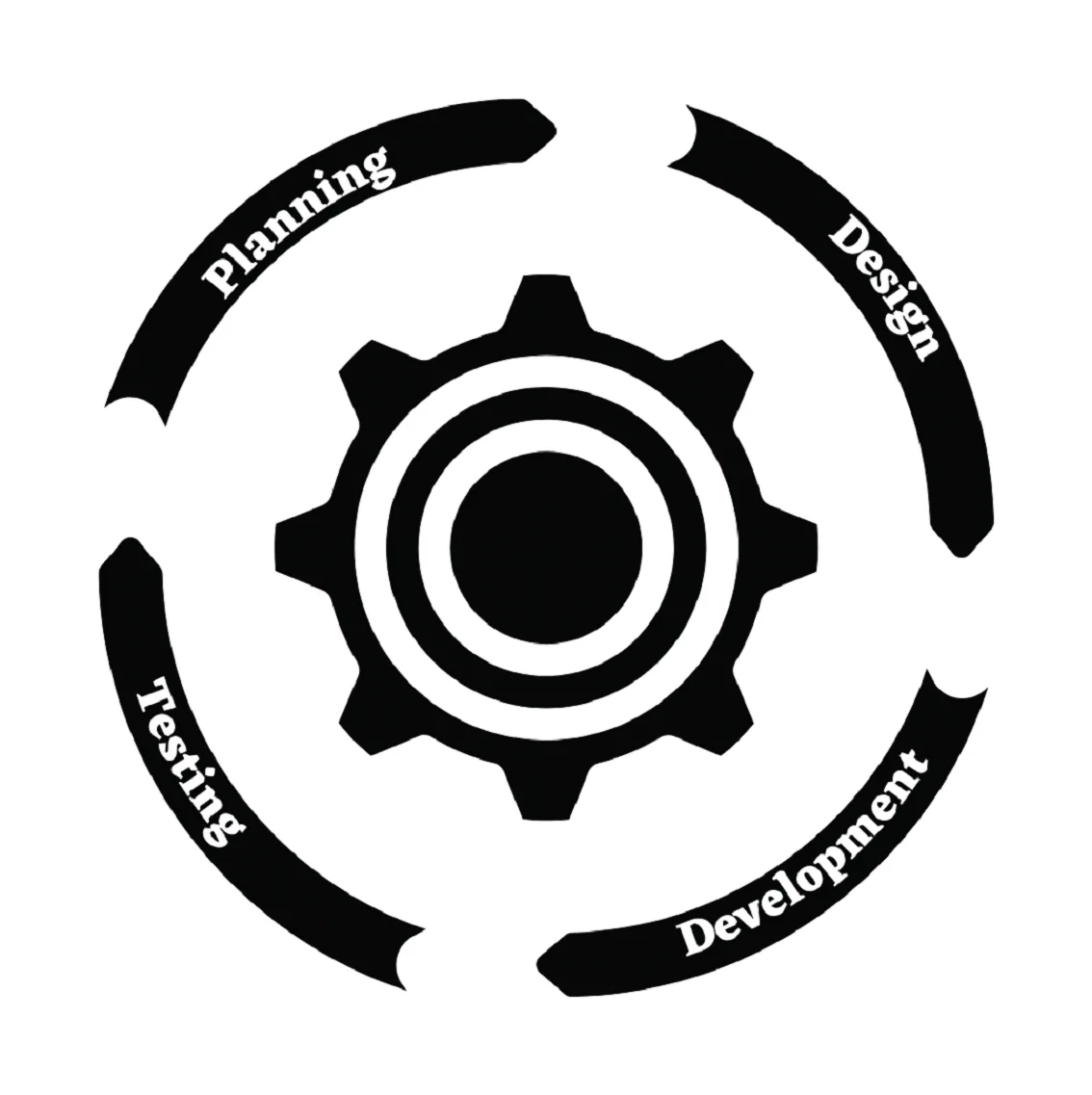
Automation test engineering delivery process at Softomate London

Discover

Automation test engineering discovery workshop at Softomate London

Application scope, technology stack, release frequency and quality pain points are mapped in discovery sessions with engineering leads, QA managers and product owners. Discovery produces a risk-based test scope brief, environment inventory and CI/CD integration plan for Jenkins, GitHub Actions or CircleCI before scope is approved.

Plan

Test automation planning session for ISTQB-aligned framework design

Framework choice, test scenario scope and ISTQB-aligned acceptance criteria are agreed with stakeholders, DevOps leads and QA owners during planning. Planning produces a delivery roadmap, BDD scenario backlog and Gherkin feature file templates before scripting begins.

Design

Test framework architecture design for Selenium and Cypress automation suites

Page object models, data management patterns and assertion strategies are designed with QA leads and product engineers. Design produces approved framework architecture, test data rules and environment configuration guides for Selenium, Cypress, Playwright or REST Assured suites.

Build and Integrate

Automation test framework build and Jenkins CI/CD pipeline integration

Working test suites, pipeline integrations and JIRA defect reporting are built in short sprints with engineering contacts and environment owners. Build produces a validated automation framework, connected CI/CD pipelines, Docker execution configuration and SonarQube quality gate rules.

Launch and Optimise

Test automation framework launch and ongoing optimisation for London development teams

Live framework deployment, coverage reporting and optimisation planning happen after QA sign-off with engineering leads and product stakeholders. Launch produces a production-ready test framework, handover documentation and an optimisation backlog covering coverage gaps, flaky test remediation and new scenario authoring.

07. Why Choose Us

Why Softomate

deco2
Softomate automation test engineering London teamSoftomate QA automation team delivering ISTQB-aligned test frameworks
ISTQB-aligned test engineering expertise icon

ISTQB-Aligned Engineering

Softomate applies ISTQB risk-based test design, boundary analysis and defect classification to every framework, ensuring test assets remain maintainable beyond initial delivery.

Multi-framework Selenium Cypress Playwright expertise icon

Multi-Framework Expertise

Softomate engineers across Selenium, Cypress, Playwright, REST Assured and Postman choose the right tool for each layer of your application under test.

Jenkins GitHub Actions CI/CD pipeline integration expertise

Deep CI/CD Pipeline Experience

Jenkins, GitHub Actions and CircleCI integrations are configured with Docker execution, parallel test runs and JIRA reporting from the start of every build engagement.

BDD Gherkin scenario design for business-aligned test coverage

Business-Aligned BDD Scenarios

Cucumber Gherkin scenarios are written with product owners and QA leads so test coverage maps to real user acceptance criteria rather than internal QA assumptions.

Measurable QA cost reduction through test automation

Measurable Release Improvements

Softomate automation projects commonly reduce regression cycle time from two days to under two hours and cut manual QA hours per sprint by forty to sixty per cent.

Test framework handover and team training documentation icon

Clean Handover Documentation

Framework architecture guides, scenario maintenance instructions and pipeline runbooks ensure your internal team can own and extend the automation suite after delivery.

08. Use Cases

Automation Test Engineering Use Cases Across UK Software Teams

Automation test engineering deployments use Selenium, Cypress, Playwright, REST Assured and BDD Gherkin frameworks to eliminate repetitive manual regression, enforce CI/CD quality gates and accelerate release velocity. The approach suits development teams, QA engineers and DevOps leads across London financial services, SaaS, e-commerce and regulated software markets. Softomate clients typically reduce regression cycle time from two days to under two hours after framework delivery.

Selenium regression test automation for London financial services software teams

Selenium Regression Suites for Financial Services Platforms

Selenium WebDriver regression suites process login flows, transaction journeys and reporting screens across Chrome, Firefox and Edge browser combinations. JIRA defect linking and ISTQB test evidence support FCA regulatory audit readiness. Softomate clients typically reduce regression time from two days to under ninety minutes within six weeks of framework delivery.

Cypress and GitHub Actions CI/CD test automation for SaaS product teams

Cypress and GitHub Actions for SaaS Product Teams

Cypress component and integration suites run on every pull request through GitHub Actions pipelines, blocking merges that break critical UI journeys or API endpoints. Parallel execution across Docker containers reduces build time. Softomate SaaS clients usually cut defect escape rates by fifty per cent within eight weeks of pipeline launch.

REST Assured API contract testing for microservices and integration layers

REST Assured API Contract Testing for Microservices

REST Assured contract tests validate endpoint schemas, authentication tokens and response payloads across microservice boundaries on every build. Breaking changes in upstream services are caught before UI regression begins. Softomate clients typically reduce API-related production incidents by sixty per cent within three months of contract test deployment.

BDD Cucumber Gherkin test framework for e-commerce user acceptance testing

BDD Cucumber Gherkin for E-Commerce UAT

Cucumber BDD frameworks written with product owners document checkout, basket and account management journeys as Gherkin feature files. Acceptance criteria match the automated scenarios directly, reducing UAT preparation time. Softomate e-commerce clients usually reduce manual UAT cycles from five days to under eight hours after BDD framework delivery.

09. FAQs

Common Questions About Automation Test Engineering

Automation test engineering is the practice of building scripted test suites that execute on every code build, replacing repetitive manual checks. Softomate engineers design frameworks using Selenium, Cypress and Playwright that run hundreds of regression checks in minutes. Teams catch regressions immediately, reduce release risk and increase deployment confidence across sprint cycles. ISTQB-aligned test design principles govern scope selection, assertion rules and defect reporting. UK GDPR compliance tests can be embedded into the same pipeline alongside functional and API checks. Softomate clients typically reduce regression cycle time from two days to under two hours after framework launch. A discovery session defines coverage goals, framework choice and CI/CD integration targets before build begins.

Softomate uses Selenium WebDriver for cross-browser regression suites, Cypress for fast front-end component and integration testing, and Playwright for multi-browser and headless execution including mobile viewports. REST Assured and Postman cover API contract and integration testing. BDD frameworks using Cucumber and Gherkin align test scenarios with business acceptance criteria. Framework selection is guided by your technology stack, CI/CD tooling and team preferences. Jenkins, GitHub Actions and CircleCI all integrate with the frameworks Softomate delivers. A short technical review confirms the right combination before any scripting begins.

A focused automated regression suite for a mid-complexity web application typically takes three to six weeks from discovery to first pipeline run. Framework setup, test case design, script development and CI/CD integration are all included in that estimate. Scope depends on the number of user journeys, UI complexity, API surface area and environment stability. BDD scenario authoring with Gherkin adds approximately one week. ISTQB-aligned risk-based scoping reduces the test count while improving defect detection. Softomate provides a fixed estimate after a structured discovery call covering your stack, environments and release frequency.

Yes. Softomate integrates Selenium, Cypress, Playwright and REST Assured test suites into Jenkins, GitHub Actions and CircleCI pipelines. Tests execute on every pull request, merge event or scheduled trigger, depending on your release process. Parallel test execution across Docker containers reduces total run time for larger suites. Test results, failure reports and coverage metrics publish directly into JIRA or your chosen defect management tool. Pipeline configuration, environment variables and secrets management are all included in delivery scope. Softomate clients typically move from overnight manual regression to sub-thirty-minute automated runs within four weeks of framework delivery.

Yes. Behaviour-driven development testing uses Gherkin-syntax feature files to express test scenarios in plain English before code is written. Softomate builds Cucumber BDD frameworks in Java or Python, connecting Gherkin steps to Selenium or Playwright automation. Business owners, product managers and QA engineers can all read and contribute to the test scenarios. Given-When-Then structure maps directly to acceptance criteria, reducing gaps between requirements and delivered behaviour. ISTQB test design principles apply to scenario selection, boundary coverage and edge case identification. BDD is most valuable for user journey regression, UAT preparation and compliance scenario coverage.

Softomate automation test engineering projects for London businesses typically start at £4,500 for a focused regression framework covering one application. Scope, framework complexity, CI/CD integration and number of test scenarios all affect cost. Projects covering multiple services, API layers and BDD scenario libraries cost more because design and scripting take longer. Ongoing costs cover framework maintenance, new scenario authoring and pipeline updates as your application evolves. Softomate provides fixed project pricing after discovery, so scope and deliverables stay clear from the start. Most clients recoup the investment within two to three release cycles through reduced manual testing effort and fewer production regressions.

Yes. Softomate applies ISTQB testing principles across framework design, test case selection, defect classification and reporting. Risk-based test design prioritises the user journeys and API paths most likely to fail or carry business impact. Boundary value analysis, equivalence partitioning and exploratory charters supplement scripted automation for edge cases. Test completion criteria and exit conditions are defined before build begins, aligned to your release and acceptance process. SonarQube static analysis can be added to the pipeline alongside automated tests for code quality visibility. ISTQB-aligned documentation ensures test assets remain maintainable by your internal team after Softomate hands over.

10. Results

Results and Case Studies

London Fintech Platform: Regression Time Cut from Two Days to 90 Minutes

A London fintech platform with forty engineers reduced regression cycle time from two days to ninety minutes within six weeks after a Selenium and Jenkins CI/CD framework launched. Defect escape rates fell by fifty-five per cent. Docker parallel execution, JIRA defect linking and ISTQB risk-based test selection drove the improvement across three core application modules.

UK SaaS Business: Pull Request Quality Gates Reduced Production Bugs by 58 Per Cent

A UK SaaS business with fifteen developers reduced production bug reports by fifty-eight per cent within eight weeks after Cypress and GitHub Actions pipeline quality gates launched. Every pull request triggered automated UI and API checks. Parallel Docker execution and SonarQube code quality gates produced the improvement across the main product feature set.

E-Commerce Retailer: UAT Reduced from Five Days to Eight Hours

A UK e-commerce retailer with twelve product staff reduced UAT cycle time from five days to eight hours within five weeks after a Cucumber BDD framework launched. Gherkin scenarios written with product owners covered checkout, account and basket journeys. Manual UAT effort fell by seventy per cent while acceptance criteria coverage increased across all release scopes.

Healthcare SaaS: API Contract Tests Prevented Three Major Integration Failures

A UK healthcare SaaS provider with twenty engineers prevented three major integration failures within ten weeks after REST Assured contract tests launched across five microservice boundaries. Breaking changes in upstream services were caught before staging promotion in every case. JIRA defect evidence and test reports supported compliance audit preparation under UK GDPR requirements.

Related Blog Articles

Let's talk about automation test engineering London for software teams seeking faster regression cycles and fewer production defects. Selenium, Cypress, Jenkins CI/CD and ISTQB-aligned test design can reduce regression time, improve release confidence and eliminate repetitive manual QA.

Deen Dayal Yadav, founder of Softomate Solutions

Deen Dayal Yadav

Online

Hi there Γ°ΕΈ'β€Ή

How can I help you?