Softomate Solutions logoSoftomate Solutions logo
I'm looking for:
Recently viewed
UX UI design services London using Figma prototyping, user research and WCAG 2.1 AA accessibility

UX UI Design Services London

UX UI design services London from Softomate deliver Figma prototyping, user research, design systems, WCAG 2.1 AA accessibility and UK GDPR-compliant interface patterns for web and mobile products. London product teams, IT directors and digital leads who want to reduce development rework and improve conversion gain the most value. User research findings drive every design decision from information architecture through interactive prototype.

UX UI Design London with Figma, User Research and Accessibility

UX UI design London services from Softomate combine user research, Figma wireframing and prototyping, design system creation, WCAG 2.1 AA accessibility and UK GDPR-compliant interface patterns into complete design deliveries for web applications, mobile apps and customer portals. Product managers, IT directors and digital leads at London businesses gain most when redesigns, new product launches or accessibility obligations require structured design investment before development begins. Softomate design handoffs reduce development rework and improve sprint velocity. Teams wanting end-to-end delivery can combine design with our web application development services, mobile app development services, software product development services and bespoke software development services.

01. Key Benefits

Key Benefits:

Reduced development rework through Figma design systems and handoff documentation

Reduced Development Rework

Figma design systems with annotated component handoff reduce development rework by thirty to forty per cent, cutting sprint delays caused by unclear design requirements.

Higher conversion rates through user research and usability testing before launch

Higher Conversion After Launch

User research and usability testing before build identifies friction points in checkout, onboarding and key task flows, improving conversion rates from the first release.

WCAG 2.1 AA accessibility compliance for web applications and public sector products

WCAG 2.1 AA Accessibility Met

WCAG 2.1 AA-compliant colour contrast, keyboard navigation and ARIA patterns built into Figma files reduce accessibility remediation costs after development is complete.

UK GDPR consent design patterns for digital product interfaces

UK GDPR Consent Patterns

Purpose-specific consent capture, ICO-compliant cookie banners and data minimisation flows are designed into interfaces before build, not retrofitted after launch.

Faster sprint velocity with shared Figma design system for product teams

Faster Design and Sprint Velocity

Shared Figma component libraries and design tokens reduce per-screen design time by forty per cent, giving product teams faster iteration across growing feature sets.

Improved Google Lighthouse scores through accessible and performant UX design

Improved Google Lighthouse Scores

Accessibility annotations, performance-aware design choices and Core Web Vitals targets are built into Figma handoffs, improving Google Lighthouse scores before code is written.

02. Offerings

UX UI Design London: What We Deliver

User Research and Persona Development

Product teams get user research deliveries covering stakeholder interviews, persona workshops, task analysis and competitor benchmarking. Research outputs include prioritised insight reports, jobs-to-be-done frameworks and design principles that guide Figma wireframing and information architecture decisions throughout the project.

Figma Wireframing and Interactive Prototyping

Design leads get Figma wireframes, annotated user flows and clickable prototypes covering all core journeys before development begins. Low-fidelity wireframes confirm information architecture. High-fidelity prototypes prove interaction patterns, state transitions and responsive behaviour across mobile, tablet and desktop breakpoints.

Design System and Component Library Creation

Development teams get a shared Figma design system with auto-layout components, colour tokens, typography scales and interaction variants. Component annotations and usage guidelines accompany every element. Storybook integration or a coded React component library can extend the Figma system into development environments for faster sprint delivery.

WCAG 2.1 AA Accessibility Audits and Remediation

Compliance officers and product owners get WCAG 2.1 AA accessibility audits covering colour contrast, keyboard navigation, focus management, ARIA labelling and screen reader compatibility. Audit reports include a prioritised issue list and a remediation roadmap. Accessibility annotations in Figma handoff files prevent recurrence in future development sprints.

Usability Testing and A/B Testing Programmes

Growth teams get structured usability testing programmes with moderated task sessions, session recording analysis and think-aloud protocols. A/B testing plans for onboarding flows, checkout journeys and landing page variants are scoped with clear success metrics and statistical significance thresholds before any test launches.

03. Features

Technical Features

Figma Auto-Layout
Component Systems

Auto-layout components, variable colour tokens and responsive variants give development teams Figma files that translate accurately into React or Vue.js code.

WCAG 2.1 AA
Accessibility Standards

Contrast ratios, keyboard navigation, ARIA labels and screen reader-compatible patterns are tested and documented in Figma handoff files before development starts.

UK GDPR Interface
Design Patterns

ICO-compliant cookie consent banners, granular opt-in toggles and data minimisation flows are applied to every user journey as standard interface components.

Google Lighthouse
Performance Targets

Performance-aware design decisions, image specifications and lazy-loading patterns are built into Figma handoffs to help development teams hit Lighthouse targets.

Moderated Usability
Testing Protocols

Task-based usability sessions, think-aloud protocols and session recording analysis identify friction before build, reducing post-launch support and redesign costs.

A/B Testing Plans
and Hypotheses

Structured A/B test plans with defined success metrics, statistical significance thresholds and variant specifications guide data-driven design improvement after launch.

05. Process

How We Deliver UX UI Design

Softomate starts with user research, moves through information architecture and wireframing, builds Figma prototypes and delivers annotated handoff files that development teams can implement without interpretation gaps. Product owners, UX leads and compliance contacts stay involved at every stage.

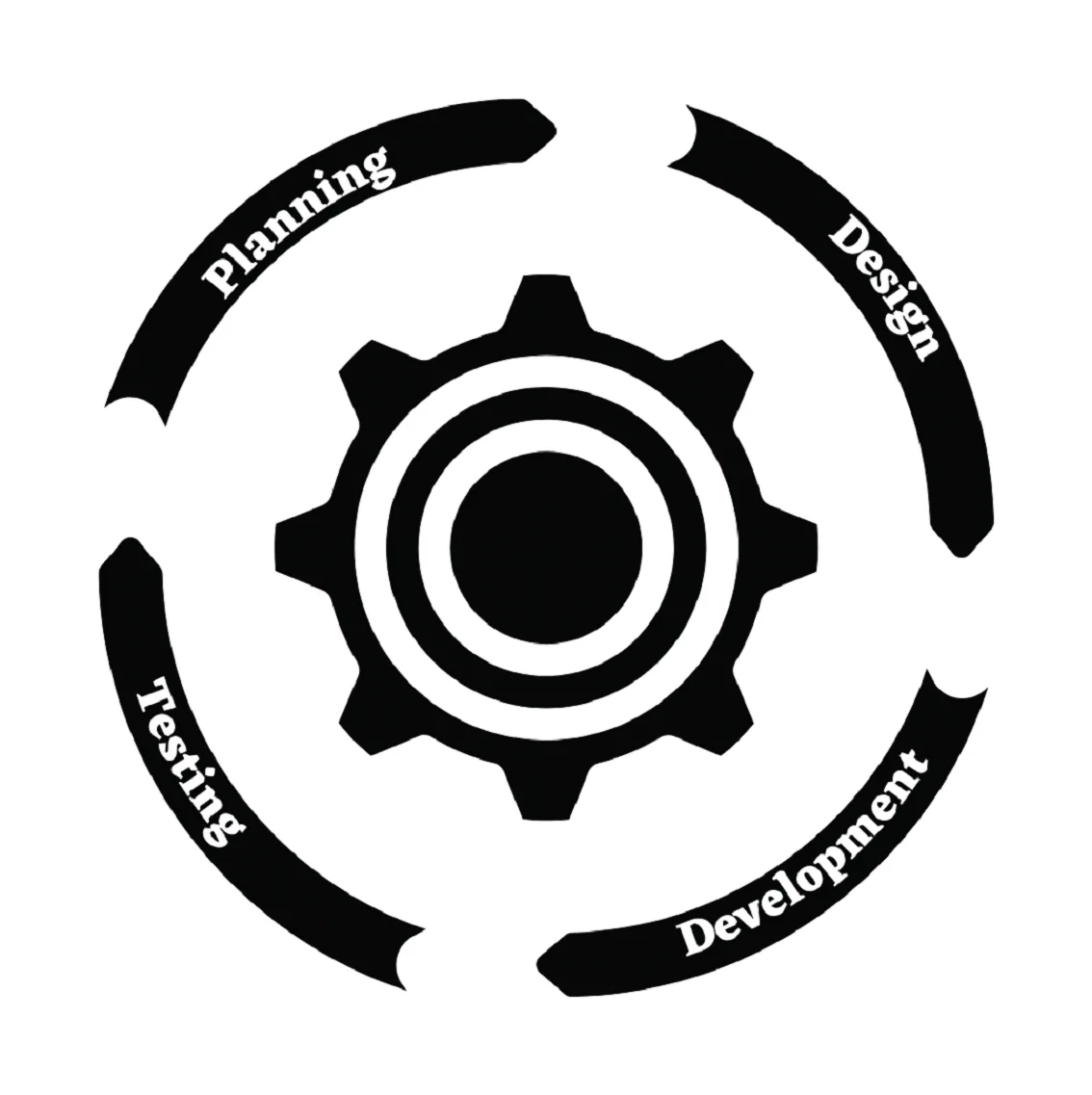
UX UI design process diagram for London digital product teams

Discover

UX design discovery workshop with London product team and stakeholders

Product goals, user types, accessibility obligations and UK GDPR requirements are mapped in discovery workshops with product owners, UX leads and compliance contacts. Discovery produces a project brief, persona outline and design scope covering WCAG 2.1 AA requirements and UK GDPR data collection needs before work begins.

Research

User research interviews and persona workshop for London digital product

Stakeholder interviews, user persona workshops, competitor benchmarking and analytics review are conducted with product owners, support leads and end users. Research produces an insight report, user journey maps and prioritised design principles that guide Figma architecture and component decisions throughout delivery.

Wireframe

Figma wireframes and information architecture for web and mobile product

Information architecture, navigation patterns and low-fidelity wireframes are produced in Figma with product owners and development leads. Wireframes confirm user flow logic, screen hierarchy and component inventory before high-fidelity design begins, preventing late-stage architecture changes that delay build sprints.

Design and Test

High-fidelity Figma design and usability testing for London web application

High-fidelity Figma designs, WCAG 2.1 AA-compliant components and interactive prototypes are built and tested with real users in moderated usability sessions. Design and test produces approved screens, accessibility annotations and usability findings that are resolved before handoff.

Handoff and Support

Figma design handoff and developer support for London web application build

Annotated Figma handoff files, component documentation and a design QA process support development teams throughout build. Handoff produces developer-ready Figma specifications, a component usage guide, an accessibility checklist and an A/B testing plan for post-launch optimisation.

07. Why Choose Us

Why Softomate

deco2
Softomate UX UI design team LondonSoftomate UX design and Figma prototyping for London digital products
Research-led UX design with Figma for London digital products

Research-Led Design Decisions

Every Figma design decision is grounded in user research findings, so product direction reflects real user behaviour rather than assumptions or preferences.

WCAG 2.1 AA accessibility designed into Figma from the start

Accessibility Designed In, Not Retrofitted

WCAG 2.1 AA patterns, contrast ratios and keyboard navigation are applied in Figma before development starts, avoiding costly remediation after launch.

Developer-ready Figma handoff with component annotations

Developer-Ready Figma Handoffs

Annotated Figma files, component documentation and spacing specifications reduce developer interpretation gaps and improve build accuracy across sprints.

UK GDPR consent patterns built into UX design for digital products

UK GDPR Compliance in Every Journey

ICO-compliant consent patterns, cookie controls and data minimisation flows are applied to every user journey as standard, not optional extras.

Design system investment that reduces long-term design costs

Design Systems That Scale

Figma design systems with shared tokens and reusable components reduce per-screen design time by forty per cent as products grow and features are added.

Post-launch A/B testing and design optimisation for London products

Post-Launch Optimisation Support

A/B testing plans, usability review cycles and design QA support continue after launch, keeping interfaces aligned with changing user needs and business goals.

08. Use Cases

UX UI Design Use Cases Across London Digital Products

UX UI design projects using Figma, user research and WCAG 2.1 AA accessibility serve London SaaS products, ecommerce platforms, NHS-adjacent applications and FCA-regulated financial services interfaces. Usability testing and A/B testing improve conversion and reduce support queries after launch. Softomate clients typically reduce post-launch usability complaints by forty per cent within ninety days of a research-led redesign.

SaaS dashboard UX redesign with Figma and usability testing for London product team

SaaS Dashboard Redesign with Figma and Usability Testing

SaaS product teams get Figma redesigns for complex dashboards, data visualisation screens and multi-step configuration flows. Usability testing validates navigation and task completion before build. Softomate clients typically reduce support queries about dashboard navigation by thirty-five per cent within sixty days of a research-led redesign launch.

Ecommerce checkout UX optimisation with A/B testing for London retailer

Ecommerce Checkout Optimisation with A/B Testing

Retail product teams get checkout flow redesigns, basket page improvements and payment option layouts tested with A/B testing plans and defined success metrics. UK GDPR consent and PECR-compliant cookie banners are redesigned alongside checkout. Softomate clients typically see a twelve to eighteen per cent checkout conversion improvement within eight weeks of redesign launch.

WCAG 2.1 AA accessibility audit and remediation for NHS and public sector digital products

WCAG 2.1 AA Accessibility Audits for Public Sector Products

NHS-adjacent and public sector teams get WCAG 2.1 AA audits with prioritised issue lists, Google Lighthouse accessibility scores and Figma remediation designs. Screen reader compatibility, keyboard navigation and colour contrast are all assessed. Softomate clients typically achieve a WCAG 2.1 AA-compliant interface within six to eight weeks of audit kickoff.

Design system creation in Figma for React component library and development team

Design System Creation for React Product Teams

Development teams using React or Vue.js get Figma design systems with auto-layout components, design tokens and Storybook-aligned component documentation. Shared systems eliminate design inconsistency across screens. Softomate clients adopting a design system typically reduce per-screen design time by forty per cent within the first three sprints after adoption.

09. FAQs

Common Questions About UX UI Design Services

Softomate provides end-to-end UX UI design for London digital products, covering user research, information architecture, Figma wireframing, interactive prototyping, design system creation, usability testing and WCAG 2.1 AA accessibility audits. Web applications, mobile apps, customer portals and SaaS dashboards are all within scope. Figma design files, component libraries and annotated handoff specifications are delivered to development teams. UK GDPR-compliant interface patterns for consent capture and data minimisation are built into user journeys. A/B testing plans and Google Lighthouse performance targets are scoped during discovery. Softomate clients typically reduce development rework by thirty to forty per cent when UX design precedes build. A discovery workshop confirms scope, user personas and delivery milestones before work begins.


Softomate conducts user research through stakeholder interviews, user persona workshops, competitor benchmarking and moderated usability testing sessions. Research uncovers real user goals, task frustrations and decision-making patterns before any wireframe is drawn. Survey tools, session recording and analytics data supplement qualitative findings when existing products are being redesigned. Insight reports summarise key findings, prioritised pain points and design recommendations for product owners. Research findings directly inform information architecture, navigation patterns and priority content decisions in Figma. Softomate clients who invest in research before design typically reduce post-launch usability complaints by fifty per cent within ninety days. A scoped research plan is produced at discovery so stakeholders understand methods, timelines and outputs before work starts.

Yes. Softomate designs WCAG 2.1 AA-compliant interfaces for web applications, customer portals and mobile products. Colour contrast ratios, keyboard navigation, focus indicators, ARIA labels and screen reader-compatible component patterns are applied throughout Figma design files. Accessibility annotations accompany component handoff documentation so developers implement correctly from the start. Google Lighthouse accessibility audits run against staging builds before launch. Softomate clients in the public sector, NHS supply chain and FCA-regulated financial services typically need WCAG 2.1 AA to meet procurement and legal obligations. Remediation of existing non-compliant interfaces is also within scope. An accessibility audit produces a prioritised issues list and a remediation roadmap within five to ten working days of kickoff.

A design system is a shared library of reusable UI components, design tokens, typography scales and interaction patterns maintained in Figma and mirrored in code. Products with multiple screens, multiple developers or planned feature growth benefit most from a design system. Without one, teams duplicate components, introduce inconsistencies and slow down sprint velocity. Softomate builds design systems in Figma with auto-layout components, variable colour tokens and responsive variants. Storybook or a coded component library can accompany the Figma system for development teams using React or Vue.js. Softomate clients adopting a design system typically reduce per-screen design time by forty per cent and cut design-to-development handoff queries by sixty per cent within three months. A design system scope is confirmed during discovery based on product complexity and team size.

Most UX UI design projects for London web or mobile products take four to ten weeks from discovery to approved handoff-ready Figma files. Discovery and user research normally take one to two weeks. Information architecture, user flows and low-fidelity wireframes follow in one to two weeks. High-fidelity Figma designs, component library and interactive prototype take two to three weeks. Usability testing, A/B testing plan and accessibility review add five to eight working days. Design system creation alongside a new product extends timelines by two to three weeks. Redesign projects for existing products with large screen counts may take longer. A scoped delivery plan with milestones is produced after discovery so product owners can plan development resource alongside design.

Softomate integrates UK GDPR-compliant patterns into interface design from the wireframe stage. Consent capture flows, purpose-specific opt-in toggles, privacy notice placement and data minimisation principles are applied to user journeys before any visual design begins. Cookie consent banners follow ICO guidance with granular category controls and a clear reject option alongside accept. Subject access request entry points and account deletion flows are designed as standard interface components rather than afterthoughts. FCA-regulated and NHS-adjacent products receive additional review against sector-specific data governance requirements. Softomate design files include GDPR pattern annotations for development teams. A compliance checklist covering data collection, consent capture and retention messaging is produced before the design is handed off for build.

Yes. Softomate runs moderated and unmoderated usability testing on existing digital products using session recordings, task-based scenarios and think-aloud protocols. Usability testing identifies friction points, navigation failures and comprehension gaps before redesign work begins. A/B testing plans for checkout flows, onboarding journeys and landing page variants are scoped using Google Optimize or equivalent tooling. Test hypotheses, success metrics and statistical significance thresholds are agreed with product owners before any test runs. Softomate clients using structured usability testing before redesign typically reduce post-launch support queries by thirty per cent within sixty days. Results from testing feed directly into Figma redesign recommendations ranked by impact and implementation effort. A testing scope and timeline are produced during discovery.

10. Results

Results and Case Studies

London SaaS Product: Support Queries Down 38 Per Cent After Redesign

A London SaaS business reduced dashboard-related support queries by thirty-eight per cent within eight weeks after a Figma redesign with moderated usability testing launched. User research revealed that forty-two per cent of support tickets stemmed from three navigation ambiguities. Redesigned information architecture and labelling resolved all three. Sprint velocity increased by twenty-two per cent after the design system was adopted by the development team.

UK Ecommerce Brand: Checkout Conversion Up 16 Per Cent in Six Weeks

A UK ecommerce business increased checkout conversion by sixteen per cent within six weeks after a Figma checkout redesign with A/B testing launched. Usability testing identified three friction points in the payment step that were reducing completion. UK GDPR consent banner redesign alongside checkout reduced cookie reject rates by twenty per cent. Google Lighthouse accessibility score improved from 61 to 89 after WCAG 2.1 AA-compliant components replaced the previous checkout elements.

NHS-Adjacent HealthTech: WCAG 2.1 AA Compliance in Seven Weeks

An NHS-adjacent HealthTech business achieved WCAG 2.1 AA compliance within seven weeks after a full accessibility audit and Figma remediation design programme. The audit identified sixty-four accessibility issues across forty-two screens. Screen reader compatibility, keyboard navigation and colour contrast were resolved in priority order. The product passed procurement accessibility requirements for three NHS trust contracts within four weeks of the remediated build going live.

London FinTech Startup: Design System Cuts Sprint Design Time by 43 Per Cent

A London FinTech startup reduced per-sprint design time by forty-three per cent within three sprints after a Figma design system with auto-layout components and React Storybook documentation launched. Inconsistent component usage across twelve screens was eliminated. UK GDPR consent and FCA-compliant disclosure patterns were built into the design system as reusable components, preventing recurrence of compliance gaps in future feature development.

Related Blog Articles

Let's talk about UX UI design services London for Figma prototyping, user research and WCAG 2.1 AA accessibility. Design systems, usability testing and UK GDPR-compliant interface patterns reduce development rework, improve conversion and help your product meet compliance obligations.

Deen Dayal Yadav, founder of Softomate Solutions

Deen Dayal Yadav

Online

Hi there Γ°ΕΈ'β€Ή

How can I help you?