

Softomate Solutions logoSoftomate Solutions logo
I'm looking for:
Recently viewed
Testing strategy consultancy London with ISTQB QA frameworks, TPI Next assessments and risk-based test planning

Testing Strategy Consultancy London

Testing strategy consultancy London services design ISTQB-aligned QA frameworks, risk-based test plans, TPI Next process improvement assessments and CI/CD quality gate roadmaps for software development teams. London engineering leads, QA managers and technology directors reducing defect escape rates, improving release confidence and meeting regulated quality standards gain the most value. ISTQB risk-based test design and TMMi maturity assessments provide the structure to improve QA without disrupting delivery velocity.

Testing Strategy Consultancy London with ISTQB and TPI Next Frameworks

Testing strategy consultancy London engagements design ISTQB-aligned QA frameworks, risk-based test plans, TPI Next maturity assessments and CI/CD quality gate integration roadmaps for software engineering organisations. Engineering directors, QA leads and release managers at London technology businesses gain most when fragmented testing practices, repeated defect escapes or regulated compliance obligations demand a structured quality improvement programme. Softomate maps your current QA maturity against ISTQB, TPI Next and TMMi standards, then delivers a prioritised improvement roadmap. Teams implementing strategy recommendations can accelerate execution with our automation test engineering services, complete testing services, performance test engineering services, and vulnerability assessment and penetration testing services.

01. Key Benefits

Key Benefits:

Risk-based test planning reducing defect escape rates for London software teams

Fewer Defect Escapes per Release

Risk-based test plans focus effort on the highest-impact areas of your application, reducing defect escape rates without extending test cycles or increasing QA headcount.

TPI Next QA maturity assessment identifying highest-impact process improvements

Prioritised QA Improvement Roadmap

TPI Next assessments score twenty QA process areas and rank improvements by effort and impact, giving engineering leadership a clear sequence of changes to make.

Shift-left testing strategy reducing defect fix costs in CI/CD development pipelines

Lower Defect Fix Costs via Shift-Left

Shift-left strategies introduce SonarQube, unit testing and BDD Gherkin earlier in development, catching defects at the stage where they cost five to ten times less to fix.

ISTQB-aligned test governance framework for FCA and NHS regulated software delivery

Regulated-Sector Test Governance

ISTQB-aligned governance frameworks produce the audit evidence, sign-off documentation and compliance scenario coverage that FCA, NHS and ICO obligations require from your QA programme.

CI/CD quality gate strategy integrating test automation into Jenkins and GitHub Actions

Structured CI/CD Quality Gate Design

CI/CD quality gate strategies position unit tests, Selenium regression, API checks and k6 performance gates at the right pipeline stages without disrupting release velocity.

ISO 25010 quality characteristic mapping for software product quality assurance strategy

ISO 25010 Quality Characteristic Alignment

ISO 25010 quality characteristic mapping ensures test strategies address functional suitability, performance efficiency, security and maintainability across your product portfolio.

02. Offerings

Testing Strategy Consultancy London: QA Framework and Process Services

ISTQB-Aligned Test Strategy Design

Engineering and QA leadership get a documented test strategy covering test objectives, scope, approach, tooling, environment requirements, entry and exit criteria, and ISTQB-aligned defect classification. The strategy includes a risk register with probability and impact ratings for every testable area of your application or platform.

TPI Next Maturity Assessment and Improvement Roadmap

QA managers and technology directors get a TPI Next assessment across twenty process areas including test strategy, lifecycle, metrics, defect management and test automation. Each area is scored against a maturity level and ranked by improvement impact. The output is a maturity report and prioritised improvement roadmap ready for immediate implementation.

Risk-Based Test Planning and Coverage Design

Development and QA teams get risk-based test plans that score each feature, integration point and compliance scenario by defect probability and business impact. Coverage depth is proportional to risk, reducing total test effort by twenty to forty per cent while maintaining or improving defect detection rates across your release cycle.

Shift-Left QA Strategy and CI/CD Gate Integration

DevOps and engineering leads get a shift-left QA roadmap that introduces SonarQube static analysis, BDD Gherkin with developers, unit test standards and CI/CD quality gates at pull request, merge and staging stages. The roadmap positions each gate by cost-of-fix benefit and team capacity across Jenkins, GitHub Actions or CircleCI environments.

TMMi Assessment for Regulated Software Delivery

Compliance-heavy teams get a TMMi maturity assessment aligned to CMMI principles that measures QA process maturity across five levels for financial services, NHS-contracted and government software delivery. TMMi reports provide the structured evidence needed for FCA, ICO and NHS contract audit submissions alongside regular ISTQB test completion documentation.

03. Features

Technical Features

TPI Next Twenty-Area
Maturity Scoring

TPI Next assessment scores twenty QA process areas and ranks improvement opportunities by effort and business impact for engineering and QA leadership.

Risk Register and
Test Coverage Maps

Risk registers score every testable application area by defect probability and business impact, producing coverage maps that direct test effort efficiently.

ISO 25010 Quality
Characteristic Mapping

ISO 25010 characteristic mapping ensures strategy coverage addresses functional suitability, reliability, performance efficiency, security and maintainability.

SonarQube Shift-Left
Integration

SonarQube static code analysis positioned in CI/CD pipelines catches code quality, security hotspot and test coverage gaps before integration testing begins.

TestRail and JIRA
Governance Configuration

TestRail milestone structures and JIRA defect workflow configuration provide the audit-ready test management foundation that regulated QA programmes require.

TMMi Process
Compliance Evidence

TMMi assessment reports provide structured QA maturity evidence suitable for FCA, ICO and NHS contract audit submissions alongside ISTQB test documentation.

05. Process

How We Deliver Testing Strategy Consultancy

Softomate assesses current QA maturity, designs ISTQB-aligned test strategies, maps CI/CD quality gate requirements and delivers prioritised improvement roadmaps in structured consultancy phases. Engineering directors, QA leads, DevOps contacts and compliance owners stay involved from assessment through handover, so strategy recommendations reflect your actual delivery constraints and regulatory obligations.
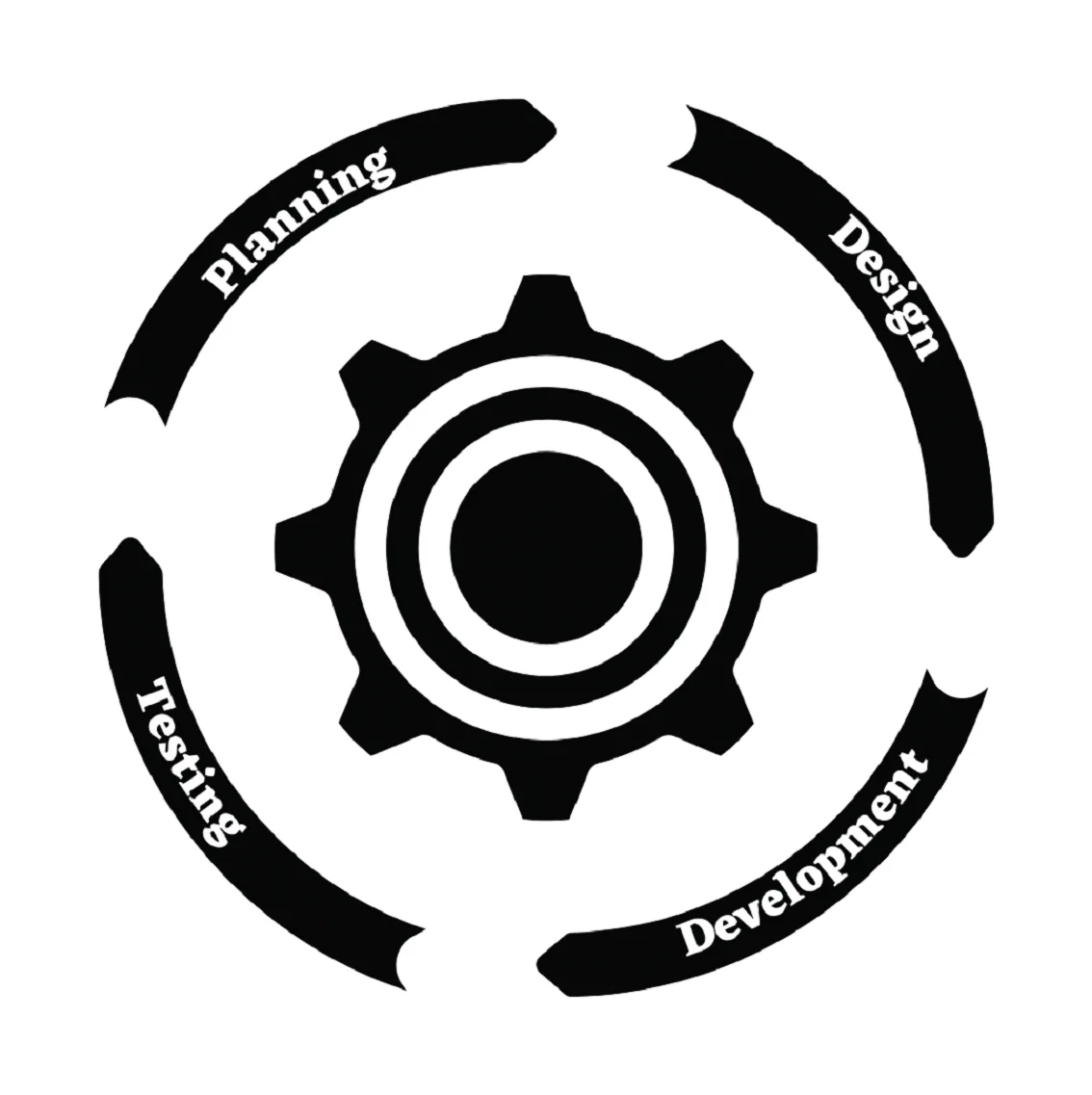
Testing strategy consultancy delivery process at Softomate London

Discover

Testing strategy consultancy discovery session assessing QA maturity and defect patterns

Current QA practices, defect patterns, release frequency, tooling inventory and compliance obligations are mapped in discovery sessions with engineering leads, QA managers and technology directors. Discovery produces a QA maturity baseline, risk area inventory and assessment scope for TPI Next or TMMi evaluation before strategy work begins.

Plan

QA strategy planning session defining assessment scope and stakeholder interview programme

Assessment scope, stakeholder interviews, data collection methods and improvement priorities are agreed with QA owners, product leads and compliance contacts during planning. Planning produces an assessment workplan, interview schedule and improvement objective framework before TPI Next or TMMi evaluation begins.

Design

Test strategy document design with ISTQB risk-based approach and CI/CD quality gate roadmap

Test strategy documents, risk registers, TPI Next maturity reports, CI/CD gate roadmaps and TestRail/JIRA governance configurations are designed with QA leads and engineering stakeholders. Design produces draft strategy documents, scored maturity matrices and prioritised improvement recommendations before stakeholder review.

Build and Integrate

QA strategy implementation support integrating CI/CD gates and TestRail configuration

Strategy documents, improvement roadmaps and CI/CD gate configurations are finalised and handed over to engineering, QA and product leadership teams. Build produces approved ISTQB test strategy, TPI Next maturity report, risk register, CI/CD gate design documents and TestRail governance configuration guides.

Launch and Optimise

Testing strategy handover and implementation support for London engineering teams

Strategy handover, team workshops and implementation support happen with QA leads, engineering managers and DevOps contacts after stakeholder sign-off. Launch produces a live test strategy document, improvement roadmap implementation guide, team training materials and a review checkpoint schedule for thirty and ninety days post-handover.

07. Why Choose Us

Why Softomate

deco2
Softomate testing strategy consultancy London QA expertsSoftomate QA strategy consultants delivering ISTQB-aligned test frameworks and TPI Next assessments
ISTQB Foundation and Advanced Level QA strategy design expertise

ISTQB Foundation and Advanced Expertise

Softomate consultants apply ISTQB Foundation and Advanced Level principles across strategy design, risk-based planning, defect governance and CI/CD quality gate positioning for every engagement.

TPI Next and TMMi QA maturity assessment methodology expertise

TPI Next and TMMi Assessment Experience

TPI Next and TMMi assessments are selected based on your maturity objectives, compliance obligations and improvement timeline, producing the right evidence for your specific regulatory and delivery context.

Regulated sector QA strategy for FCA NHS and ICO compliance obligations

Regulated-Sector QA Knowledge

Softomate delivers test strategies and TMMi assessments for FCA-regulated fintech, NHS-contracted healthcare and ICO-supervised platforms, producing audit-ready governance documentation alongside improvement roadmaps.

Shift-left QA strategy design integrating SonarQube and CI/CD quality gates

Practical Shift-Left Roadmaps

Shift-left strategies are designed to work within your current Jenkins, GitHub Actions or CircleCI environment, introducing quality gates that your team can maintain without external dependency after handover.

Risk-based test planning reducing QA cost while improving defect detection rates

Risk-Based Efficiency Gains

Risk-based test plans typically reduce total test effort by twenty to forty per cent while maintaining or improving defect detection, delivering measurable return on QA strategy investment.

Team training and QA strategy implementation support for London engineering teams

Team Enablement and Implementation Support

Strategy handover includes team workshops, implementation guides and thirty and ninety day review checkpoints so your QA team can execute improvements without returning to consultancy immediately.

08. Use Cases

Testing Strategy Consultancy Use Cases Across UK Software Sectors

Testing strategy consultancy engagements use ISTQB frameworks, TPI Next assessments, TMMi maturity reviews, risk-based test planning and shift-left CI/CD roadmaps to improve QA programme efficiency and compliance readiness. The approach suits engineering directors, QA managers and technology leaders across London financial services, healthcare, SaaS and regulated software sectors. Softomate clients typically reduce defect escape rates and QA cycle time within two to three release cycles of strategy implementation.

ISTQB test strategy design for London fintech platform with FCA compliance governance framework

ISTQB Strategy for FCA-Regulated Fintech Platform

ISTQB-aligned test strategies for FCA-regulated fintech platforms define coverage requirements for PSD2 and Consumer Duty compliance scenarios, TestRail audit governance and JIRA defect escalation rules. Risk registers score payment, authentication and data exposure journeys by regulatory impact. Softomate fintech clients typically achieve FCA audit-ready test documentation within eight weeks of strategy delivery.

TPI Next QA maturity assessment for SaaS business improving defect escape and release quality

TPI Next Assessment for SaaS QA Programme Improvement

TPI Next assessments for SaaS businesses score test automation selection, risk-based coverage, metrics and CI/CD integration against twenty maturity areas. Improvement roadmaps prioritise Cypress automation, GitHub Actions gate design and BDD Gherkin adoption. Softomate SaaS clients typically reduce defect escape rates by thirty-five per cent within three release cycles of roadmap implementation.

TMMi maturity assessment for NHS-contracted healthcare software QA compliance and audit readiness

TMMi Assessment for NHS Healthcare Platform Compliance

TMMi maturity assessments for NHS-contracted platforms produce structured evidence of QA process maturity across five levels, suitable for NHS contract renewal and ICO audit submissions. UK GDPR compliance scenario coverage requirements and data governance test rules are integrated into the ISTQB-aligned test strategy. Softomate healthcare clients use TMMi reports to support contract renewal processes without separate specialist audit engagement.

Shift-left QA strategy and CI/CD quality gate design for London software development team

Shift-Left Strategy and CI/CD Gate Design for Development Teams

Shift-left QA strategies for London development teams introduce SonarQube static analysis, BDD Gherkin with developers, unit test standards and Cypress pipeline gates within Jenkins or GitHub Actions. Defect cost-of-fix savings are modelled by stage for engineering leadership. Softomate development team clients typically reduce post-UAT defect volumes by forty per cent within four sprints of shift-left implementation.

09. FAQs

Common Questions About Testing Strategy Consultancy

Testing strategy consultancy is the practice of designing a structured QA framework that defines what to test, in what order, with which tools, and to what quality threshold before release. Softomate delivers ISTQB-aligned test strategies, risk-based test plans, test governance frameworks and CI/CD QA integration roadmaps for London software businesses. Deliverables include a documented test strategy, TPI Next or TMMi process improvement assessment, risk register and tooling recommendations. Engineering leads, QA managers and CTO-level stakeholders at London tech businesses gain most when fragmented QA practices are causing defect escapes or delivery delays. A discovery workshop confirms your current maturity, release risk profile and quality objectives before any strategy work begins.

Risk-based testing is an ISTQB approach that prioritises test effort on the user journeys, APIs and features most likely to fail and most likely to cause business impact if they do. Softomate creates risk registers with probability and impact scores for every testable area of your application, then designs test coverage and depth proportional to those scores. Teams spend less time on low-risk stable areas and more time on high-risk integration points and recent code changes. Risk-based approaches typically reduce test cycle time by twenty to forty per cent while maintaining or improving defect detection rates. TPI Next process improvement assessments can identify where your current practices diverge from risk-based principles before a new strategy is designed.

TPI Next is a Test Process Improvement framework that assesses QA maturity across twenty key areas including test strategy, lifecycle planning, defect management, test automation and metrics. Softomate uses TPI Next assessments to identify the highest-impact improvement areas for your QA programme. Each area is scored against a maturity level from initial through optimised, and improvement steps are prioritised by effort and return. Teams typically gain the most value from improvements in test automation selection, risk-based coverage planning and CI/CD quality gate design. A TPI Next assessment produces a maturity report and a prioritised improvement roadmap that engineering and QA leadership can use immediately. ISTQB Foundation and Advanced Level principles underpin the assessment framework throughout.

Shift-left testing moves quality checks earlier in the development lifecycle, from post-development testing into design, coding and code review phases. Softomate shift-left consultancy helps teams introduce unit test standards, static analysis with SonarQube, BDD Gherkin scenario authoring with developers, and CI/CD pipeline unit test gates before integration testing begins. Defects caught at unit test or code review stage cost five to ten times less to fix than defects caught in system or UAT testing. Shift-left strategies typically reduce the total defect fix cost per release by thirty to fifty per cent within three to four sprints. ISTQB testing principles and ISO 25010 quality characteristics guide the design of shift-left quality activities for your specific technology stack.

Yes. Softomate provides QA strategy consultancy for FCA-regulated fintech businesses, NHS-contracted healthcare software providers and UK GDPR-regulated platforms. QA strategies for regulated industries include test coverage requirements for compliance scenarios, audit trail design using TestRail and JIRA, and evidence production aligned to ICO, FCA Consumer Duty and NHS contract obligations. Risk-based test plans for regulated platforms identify which compliance scenarios carry the highest regulatory impact and must be tested on every release. TMMi maturity assessments can measure QA process compliance against regulated delivery standards. ISTQB-aligned test completion reports produce the structured evidence that auditors and regulators expect from quality assurance programmes.

Softomate maps your existing Jenkins, GitHub Actions or CircleCI pipeline configuration during discovery, then designs a QA integration plan that introduces quality gates at the right points without disrupting release velocity. Unit test gates, static code analysis with SonarQube, automated regression with Selenium or Cypress, and performance threshold checks with k6 are positioned at pull request, merge and staging promotion stages. BDD scenario execution and API contract tests are scheduled according to your release frequency and team capacity. Pipeline integration is documented in Confluence with configuration guides and gate threshold rationale. Teams typically achieve measurable quality gate coverage across all pipeline stages within four to eight weeks of strategy implementation.

TMMi is the Test Maturity Model integration, a structured five-level maturity model for test process improvement aligned with CMMI principles. TPI Next is a complementary framework organised around twenty key areas with maturity levels from initial through optimised. Softomate uses TMMi for organisations seeking a formal maturity certification or regulatory audit alignment, particularly in financial services and government-contracted software delivery. TPI Next is used for practical, fast-turnaround improvement assessments where the priority is identifying the highest-impact changes in the shortest time. Both frameworks produce actionable improvement roadmaps. ISTQB Advanced Level Test Manager principles apply across both assessment approaches to ensure recommendations align with recognised testing standards.

10. Results

Results and Case Studies

London Fintech: ISTQB Strategy Delivered FCA Audit Evidence in Eight Weeks

A London fintech platform with forty engineers achieved FCA-auditable test documentation within eight weeks after an ISTQB-aligned test strategy, risk register and TestRail governance configuration were delivered. Defect escape rates fell by forty-two per cent in the following release cycle. Risk-based test planning reduced total test effort by thirty per cent while increasing compliance scenario coverage by sixty per cent.

UK SaaS Business: TPI Next Roadmap Cut Defect Escapes by 38 Per Cent

A UK SaaS business with twenty-five engineers reduced defect escape rates by thirty-eight per cent within three release cycles after implementing a TPI Next improvement roadmap. Cypress CI/CD gates, BDD Gherkin adoption and risk-based coverage planning were the three highest-impact improvements identified. Engineering leadership used the maturity report to justify QA tooling investment to the board within four weeks of assessment delivery.

NHS Platform: TMMi Report Supported Contract Renewal Without Additional Audit

An NHS-contracted healthcare software provider used a Softomate TMMi assessment report to support NHS contract renewal without commissioning a separate specialist quality audit. The report documented QA process maturity across five levels, covering UK GDPR data governance, ISTQB test evidence and defect management standards. Contract renewal was approved within the standard timeline, saving six weeks of additional audit preparation.

Development Team: Shift-Left Strategy Reduced Post-UAT Defects by 43 Per Cent

A London development team with eighteen engineers reduced post-UAT defect volumes by forty-three per cent within four sprints after implementing a shift-left QA strategy. SonarQube static analysis, BDD Gherkin authoring and Cypress GitHub Actions gates were introduced across three sprint teams. Defect cost-of-fix modelling showed a saving of eleven development hours per release cycle against the previous testing approach.

Related Blog Articles

Let's talk about testing strategy consultancy London for engineering teams seeking ISTQB-aligned QA frameworks, reduced defect escape rates and regulated compliance evidence. TPI Next assessments, risk-based test planning, shift-left CI/CD strategies and TMMi maturity reports give your QA programme a measurable, sustainable foundation.

Deen Dayal Yadav, founder of Softomate Solutions

Deen Dayal Yadav

Online

Hi there Γ°ΕΈ'β€Ή

How can I help you?